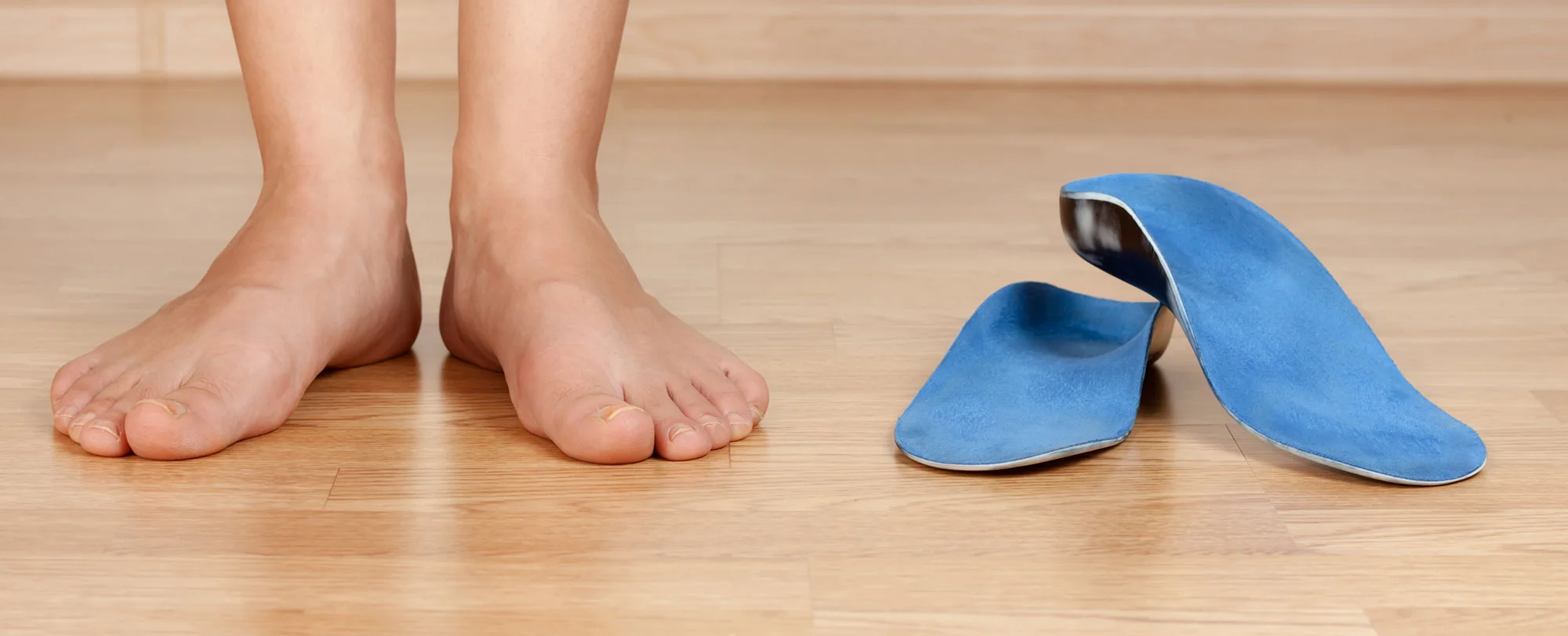
Your foot orthotics don’t need to snap in half or wear out completely before they’re due for replacement. In fact, waiting for that moment is usually when problems start piling up. When orthotics are working properly, especially quality ones, you don’t really notice them day to day. That’s usually the point – you put your shoes on and get through the day. If your feet just don’t feel settled anymore, getting tired earlier, aching by midday, that’s often when orthotics have started to lose their effectiveness, and may need to review them. If so, it’s worth getting the team at JDP Orthotics to have a proper look. If something feels off, or just not quite right, it makes more sense to check it properly than to keep going and see how long it holds. Unlike generic foot inserts, JDP Orthotics are made specifically for your biomechanics (how you move and what your feet actually need). That said, even well-made orthotics don’t last indefinitely. Here are signs that your foot orthotics need reviewing or replacement: Foot care and overall comfort should be practical, accurate, and especially accessible. Book your foot orthotics consultation today! For most people, you’re looking at somewhere between three to five years. If you’re very active, on your feet all day at work, or putting your orthotics through a lot of load, they often show signs of wearing sooner. Materials just get compressed faster in situations like those. The case is different for kids because they’re still growing and their feet are changing shape, so replacements are usually needed more often. Not always. If the issue is mainly cosmetic, like a worn top cover or minor surface damage, refurbishment can make sense. If ongoing repairs have reached a point where the structure has lost its shape or stiffness, repair won’t really restore its overall function. At that point, replacement tends to give better results. It’s highly situational. An assessment with our team can give you guidance immediately. You can feel it before you see the visible wear and tear. Your body and lifestyle also play a role here. Some factors, like significant weight gain or loss, foot surgery, or a diagnosed structural change, are all good reasons to get your orthotics checked, even if they don’t look worn. Most shop-bought inserts break down within three to twelve months. They’re made from softer materials (this is not always a good thing) and don’t hold their shape well under repeated load. People often end up replacing them over and over, which adds up fairly quickly. Over time, custom orthotics usually work out to be the more economical option, simply because they last longer and do more. Your body adapts. When support drops off, other joints start picking up the slack – ankles work harder, knees take more load, hips and lower back get involved. The feet stop being the main complaint, but they’re often where it started. It’s like walking around in worn-out shoes. You can manage for a while. Then something else starts to hurt, and by then, the fix is usually bigger than it needed to be.Foot Orthotics: When to Replace or Review Them
Even the Best Foot Orthotics Still Need Follow-Up
Our Foot Orthotics Process Is Built Around You
Frequently Asked Questions
How long do custom foot orthotics remain effective?
Time matters, but how you use them matters just as much.
Is orthotic repair a better alternative to replacement?
How can I know if my orthotics still provide enough support?
Do over-the-counter inserts require replacement as frequently?
What are the consequences of continuing to wear degraded orthotics?
Consultations available in 4 locations. Please reach out to the contact information below to make arrangements.


Services available by appointment.


Submit your enquiry by completing the form below.